
| Submission Date: Date: 25th December 2016 | |
| Subject: final report (September 2016 to march 2017) | |
| Project Name | Youth for Change Program in Bossaso |
| Project duration | September 20th 2016 to 31th of march 2017 |
| NO Of skill options | 4 Skills options (e.g. Electrical, Tailoring, Business and Beauty salon) |
| No of beneficiaries | 90 beneficiaries (54 male and 36 female) |
| No of instructors | Five instructors |
Overview
Youth training courses funded jointly by collaborative agencies including ILO, UNDP and UNICEF and implemented both PDO and Y-Peer to empower youth at risks categories including ex-combatants, defectors and armed groups through this vocational skill provision for peace and stability restoration. This project absolutely assisted 90 youths consisting of 36 girls and 54 boys and the community as whole. The training activity started effective on 22 of September, 2016 and completed successfully with the close collaboration for entire project stakeholders including (community elders, project committee, local authorities and ILO officials. This project is follow up the previous projects named Youth at Risks and Youth for Change which were implemented in major towns of Somalia and were graduated thousands of youth whose were supported with job skills, educations, micro grants and reintegrated into social life (2011-2015). This project has been focusing on 90 youth engaging with violence and crimes to be transformed into productive youth generation through Vocational training centre held by PDO and planned to be directly benefited 90 youths from the 4 chosen skills as basic electrical installation, Tailoring, Business and Beauty salon.
The first phase of the project’s were being implemented by Y-Peer whom their beneficiaries were undergoing mindset changes including social skills, literacy/numeracy, peace building, governance, Rule of Law, sporting, Islamic cultures, poet/arts norms, coaching sporting, tapping community activity volunteer services and social reintegration through RCPs’ in respective district. After youth beneficiaries from Phase 1 led by Y-Peer whom we were having a very good collaboration, meeting with minimum agreed criteria of success such as Code of Conduct, education score, attendance, hard work, behavior and social changes was commenced 2nd Phase (Vocational Training Skills sponsored by ILO) for 4 months led by PDO, the youth beneficiaries was regularly monitored by PDO officials on how they could utilize the knowledge and skills obtained from the Y4C project and looking for other alternative of economic reintegration and labor intensive schemes for their future livelihood income and social reintegration on long term.
Since the inception of skill training in September 2016, the PDO has been engaging the success of skills development activities through its resource centre in Bossaso. PDO has put all necessary resource such materials, tools, human, classes, workshop, manuals in which most skill options can be available. The PDO has good coloration and partnership with Y-Peer NGO that also engages such social skills in which the 90 trainees of which 36 youth were females and all trainees meets with their relevant training skills like Beauty salon, Tailoring, basic electrical installations, and Business with computer literacy.PDO has experience and expertise how the dropout and antisocial elements transformed into productive members once again in the society and from that, the PDO has initiated the orientations and mobilization the vocational training skills system as precondition for ensuring the supply of skills adequately meets the needs of the labor market. The PDO has given choices for trainees as many as 90 trainees, after wards of orientation included the norms, discipline and procedures of the vocational training skills method being laid down by PDO skill training standards that complied fully with Youth for Change Project jointed by UNDP, UNICEF and ILO.
PDO has been providing the targeted trainees such appropriate apprentices that were supported to develop career skills, have access to specific further training courses, and were exposed to a range of areas across the business to broaden their understanding. Significant self-employed wage is also made, including youth development training opportunities to increase their capacity to communicate effectively with peers, local people, and local authorities as well as funding agencies. PDO considers and respect the beneficiaries when they highlight the need for greater support from small scale business, noting that small and medium companies were often better placed to employ un/skilled manpower due to their size and capacity combination. Quiet apart from planned job skills, the PDO has mutual cooperation with such businesses experience and train the trainees how to break barriers to engagement, including the susceptibility to poor market conditions, lack of familiarity with the labor market and private sectors relations requirements, concerns with poor suitability of apprentices, and perceptions of a poor return on investment. PDO advocated specific public and private support and outreach to encourage engagement to the graduated youth by Small and Medium Enterprises (SMEs’).
PDO has undertaken all planned activities against the 1st installment (See break down budget) as much as ($) in accordance with the project’s goal, objectives and its milestones including orientation package, incentive trainees, payment of instructors, working vehicles, office supplies/stationeries, salaries of project staffs, cost of training items and tools and other costs. Having evaluated all tests done by trainees, they scored better grade notably in subject wise as 31 beneficiaries have been learning the skills of tailoring, 24 trainees have been learning the skills of electrical, 24 trainees have been learning the skills of small business, 11 trainees have been training the skills of Beauty salon, total of 90 trainees in 4 skill options. In addition to that, PDO gives trainees access to learn skill for adaptability, matching skills development to the needs of business, preparing young people for works, improving career guidance, building the status of apprenticeship, engaging young generation, community leadership, creating quality jobs is a priority, skills utilization must be a focus, adaptive workforce were needed for the future workforce, partnership were essentials, and other primary experiences related to the self-employed scheme. After celebration of successfully completed theoretical lessons PDO has launched practical sessions for all categories electric, tailoring, beauty salon and business with computer literate lessons and the students were happy with the training and actively participating of all sessions. PDO has conducted sensitization and orientation campaign on youth mobilization to the vocational training skills such registration, skill presentation, classes workshop where they practice their knowledge both theory and practices. PDO has launched the skill training for 90 youth beneficiaries with presence of all key stakeholders including local authorities (regional and district levels), funding agencies (UNDP/ILO/UNICEF) and implementing partner especial on job skills (PDO). PDO has prepared and made all arrangements needed by youth beneficiaries such as training materials, classes, training manuals, instructors and other primary demands. The Youth beneficiaries have selected 4 skill options such based Electrical, Tailoring, Business and Beauty salon on trainees’ choices.
Achievements
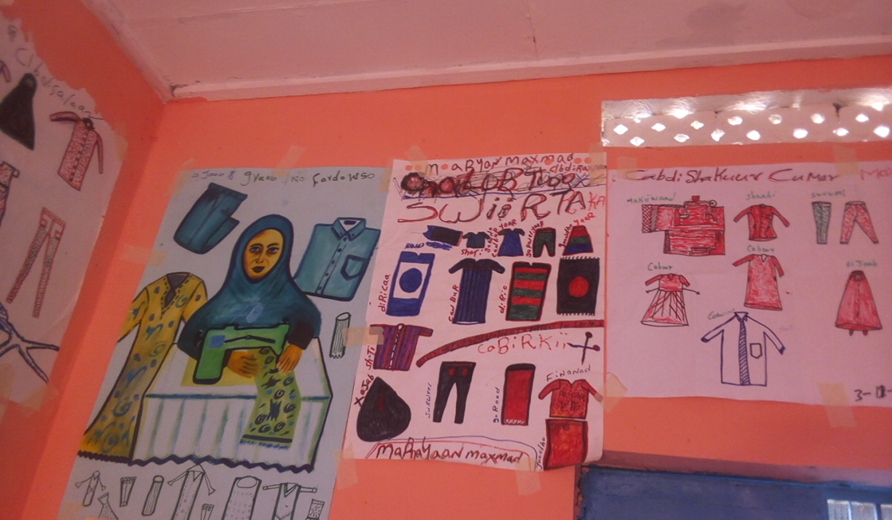
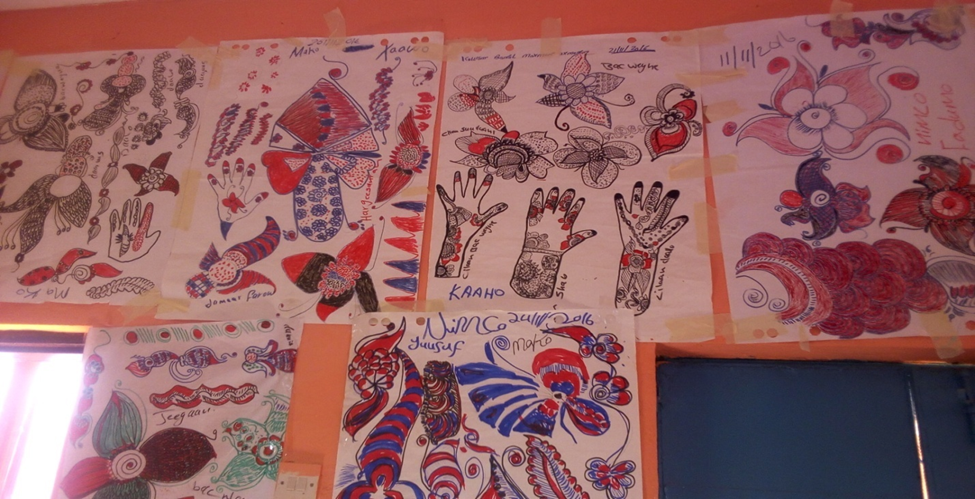
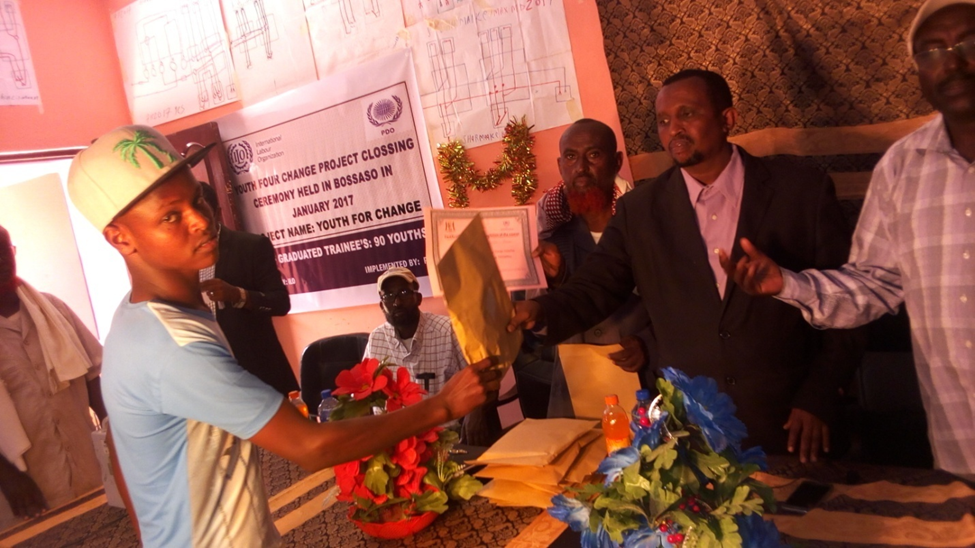
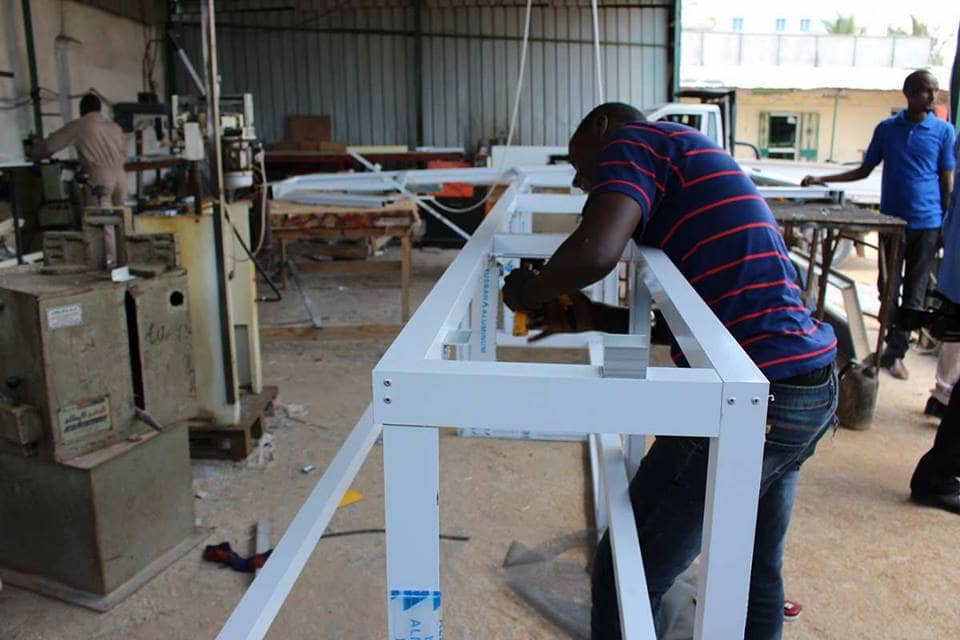
Ninety youth’s trainees for the project were studded four different potential and marketable skills and their answers on the test and class exercise or assignments were satisfactory and it was indication of their comprehension for the lessons being provided to them. Also, five qualified skill trainers were hired through recruitment procedure led by PDO, required learning materials also were supplied and class’s session’s schedule arranged. Furthermore, well prepared and monitored both theatrical and practical lessons were being given in daily basis with weekly or monthly progress tests had been taken in order to be known the level of understanding of the youth and evaluate vocational skill provision programs in general in terms of possible expected output and impacts to the youths and the community at large. At the end of the program final tests were taken and certificates were given to graduated skill trainees as a reward for their commitments and test grade and returned to society with the basket of knowledge and recovery from associated risks by re-integrated to the community socially and economically. As you might see the below pictures skill provision training classes were practical sessions e.g. tailoring trainees were struggling cutting, design , measurement and sewing activities where as electric trainees were studied installation of electric appliance with safety and risk precautions while beauty salon students were drawing
Youth sensitization and awareness programs were conducted together with the training and teaching activities in order to convince and encourage that the learning and the knowledge skill provision programs were right bath of success. Not only the youths but also the community decision making segments in order to enhance the community involvement. The trainees were learned electric, tailoring, Business and beauty salon skills and the instructor lessons preparation and their way of teaching were monitored on daily and weekly basis as the observed the training quality is ensured. Moreover PDO has prepared classes; timetable and work schedule were established in addition to that required learning materials were supplied for each class and progress test were done on weekly basis.
Youth for change project training completed with successfully and the students were keenly interested to learn their chosen skill training and takes well written lessons with perfect teaching methods such as direct lesson, brainstorm, group discussion, class exercise or assignment and 95% of the trainee’s responses were correct reveals that 90% were correct after the training quality control Committee (TQCC) check and verified. Therefore, in their answers we can predict that the trainee’s were understood the training topics covered during project implementation period.
Test results and improvements grade
From the launch of the training in September 20th, 2016 monthly test and final exam taken in order to measure improvements made we summarized results of the training skills and graduated trainees classified by gender in each class are given the below table and chart:
| # | Skill categories | Trainees gender per class | Totals/per class | teacher’s per/class | |
| Male | Female | ||||
| 1 | Tailoring | 11 | 20 | 31 | 2 |
| 2 | Electric | 24 | 0 | 24 | 1 |
| 3 | Business with computer | 19 | 5 | 24 | 1 |
| 4 | Beauty salon | 0 | 11 | 11 | 1 |
| Totals | 54 | 36 | 90 | 5 | |
Chart illustration:

Challenge
No major challenge encountered during the implementation period of the project but at the beginning the time was very narrow 20 September 2016 to 31, December 2016, but fortunately, the training extended to 31est March, 2017. Also, Trainees were expected and interested to get some grants as the previous graduated students were given some grants by ILO.
Recommendation
According to PDO evaluation results of the program and the community committee consultation we are suggesting the following points:-
- Continuation of such essential skills in the future the project will have long term benefits to the youths and the community at large.
- Provide some grants to the students and help starting small business in order to create their own business
- Increase allocated time for the skill training in the future so to enable to learn more optional skills in one project
- Expansion of the geographical area of the program in the future
Annexes: training pictures and students list
| S/N | Trainees’s Name |
| 1 | Rahmo Ismail Jama |
| 2 | Said Mohamed Ali |
| 3 | Farhaan Mohamed xoolaside |
| 4 | Ali Said Ali Samater |
| 5 | Mohamud Farah Elmi |
| 6 | Mohamed Adan Diiriye |
| 7 | Mohamud Mohamed Muse |
| 8 | Shucayb Ahmed Mohamud |
| 9 | Abdalle Mohamed Sharmarke |
| 10 | Khadar Hassan Jama |
| 11 | Ayaan Abshir Mohamed |
| 12 | Amino Mohamed Abdirahman |
| 13 | Abdi Shiekh Doon Jama |
| 14 | Abdi Mohamed Farah |
| 15 | Abdikadir Ahmed Yasin |
| 16 | Sabirin Aden Ali |
| 17 | Fatxi Mohemd Ismail |
| 18 | Ahmed Mohamed odawaa |
| 19 | Mohsin Mohamed Tuure |
| 20 | A/kafi Omar Jama |
| 21 | Mohamud Abdullah Mohamed |
| 22 | Ayanle Abdullah Ahmed |
| 23 | A/rahman Ahmed Salad |
| 24 | A/rahman A/ladif Farah |
| 25 | Ayaan Omar Ismail |
| 26 | Asha Ahmed Adan |
| 27 | Maryan Ahmed Abdirahman |
| 28 | Fadumo Mohamud Ali |
| 29 | Haboon Muse Salah |
| 30 | Ayan mohamud Hassan |
| 31 | Muno Ahmed Salad |
| 32 | Fardows Ahmed Abdullah |
| 33 | Ayaan Mohamud Muse |
| 34 | Rahmo Jama Farah |
| 35 | Saynab Ismail Ducaale |
| 36 | Abdirahman Omar Abdi |
| 37 | Abdisalan Abdinasir Carif |
| 38 | Jama Mohamed Nour |
| 39 | Xalwo Xaamid Said |
| 40 | Ahmed Saleebaan Ahmed |
| 41 | Abas Mohmed Mohmud |
| 42 | Salaado Ali Farah |
| 43 | Bishaaro A/rahman Hussien |
| 44 | Fadumo abdirisaaq |
| 45 | Bashir Omar Ismail |
| 46 | Muno Abdisalan Abdirahman |
| 47 | Bishaaro Mahdi Hassan |
| 48 | Abdishakur Omar Mohamed |
| 49 | Abukar Abdi Bille |
| 50 | Abdirahman Ali Hussien |
| 51 | Abdullah Muse Aden |
| 52 | Yahye Said Mohamed |
| 53 | Asiyo Mohamed Mohamud |
| 54 | Farah Mohamed Shaciye |
| 55 | Libaan A/khaddar Hussein |
| 56 | Ahmed Bashir Mohamed |
| 57 | Mohamed Macalin Osman |
| 58 | Abdihakin Ali Shire |
| 59 | Farah Abdi Awad |
| 60 | Ismail Farah Shirwac |
| 61 | Abdirahman Mohamed Xaraabe |
| 62 | Nasrudiin yusuf Mohamed |
| 63 | Nour Deeq Ali |
| 64 | Said Moahmed Supayr |
| 65 | Ibrahim Osman Mohamed |
| 66 | Said Abdirur camoore |
| 67 | Mohamed Mohamud Abdirahman |
| 68 | Sharmarke Mohamed Osman |
| 69 | Mohamed Yasin Haybe |
| 70 | Mohamed Aden Ali |
| 71 | Abdirashiid Mohamed Mohamud |
| 72 | Abdifatah Mahad Ismail |
| 73 | Mohamed Idiris Ahmed |
| 74 | Hassan Ali Mohamed |
| 75 | Ahmed Subeer Ali |
| 76 | Ahmed Said Mohamed |
| 77 | Mohamed Kayse Mohamed |
| 78 | Mohamed Hussien Abdi |
| 79 | Said Yasin Ali |
| 80 | Jaweeriyo Yusuf Abdullah |
| 81 | Kowser Bedel Mohamed |
| 82 | Mako Yusuf Bile |
| 83 | Bishaaro Mukhtar Ismail |
| 84 | Fadumo Mohamed Yusuf |
| 85 | Kaaho Libaan Farah |
| 86 | Nimco Mohamud Shukri |
| 87 | Hawo Mohamed Hirsi |
| 88 | Nimco Yusuf Abdirahman |
| 89 | Sacdiyo Shugri Farah |
| 90 | Maryan Abdirahman ALI |


Youth for change project Final reports